
Adding a hot tub to your deck or patio is one of the best upgrades you can make to your outdoor space. It turns your backyard into a place to relax, unwind, and enjoy time with family. But hot tub installation is not as simple as picking a spot and filling it with water.
A filled hot tub can weigh several thousand pounds. If the structure underneath it is not built to handle that load, you are looking at serious damage. Here are the most common hot tub installation mistakes that lead to structural problems and how to avoid them.
1. Skipping the Structural Assessment
The biggest hot tub installation mistake homeowners make is assuming their existing deck can support the weight. Most standard decks are not designed to hold the concentrated load of a hot tub filled with water and people.
Before anything else, you need a professional to evaluate whether your deck framing, footings, and overall structure can handle the added weight. If the deck was not originally built for a hot tub, reinforcements are almost always necessary.
2. Using the Wrong Framing and Foundation
A proper hot tub installation starts below the surface. The foundation needs to distribute the weight evenly across the structure. Standard deck joists spaced at typical intervals may not be strong enough.
Reinforced framing with closer joist spacing, doubled beams, or additional support posts makes a significant difference. For footings, helical piers or traditional concrete footings provide the stability needed to keep the structure solid for years. Cutting corners on framing is one of the fastest ways to end up with a sagging or failing deck.
3. Ignoring Local Building Codes and Permits
Many homeowners skip the permit process, thinking a hot tub installation is too small to require one. That is a mistake. Most municipalities in the Raleigh and Durham area require permits for structural modifications, electrical work, and plumbing tied to hot tub projects.
Building without a permit can result in fines, forced removal, or problems when you try to sell your home. A professional builder handles permit acquisition and makes sure the project meets all local code requirements from the start.
4. Poor Placement on the Deck
Where you place the hot tub matters just as much as how you support it. Placing it too far from the house can create access problems. Placing it too close to the edge of the deck puts extra stress on the perimeter framing, which is often the weakest section.
The best hot tub installation placement is over or near a primary beam, where the structure has the most support. Working with a design professional who creates 3D models of your project helps you visualize placement before construction begins.
5. Choosing the Wrong Decking Material
Not all decking materials perform equally well around a hot tub. Moisture, heat, and chemical exposure from treated water accelerate wear on certain surfaces.
Composite decking and PVC decking both handle moisture better than traditional wood. They resist warping, staining, and mold growth, making them strong choices for any hot tub installation. The right material protects your investment and keeps the surrounding deck looking good for years.
6. Forgetting About Drainage
Water splashes out of hot tubs. That is just a fact. If your deck does not have a plan for handling that water, it pools around the base of the tub, seeps into the framing, and causes rot, mold, and structural decay.
Proper drainage planning directs water away from the structure. Slight slope adjustments, drainage channels, or gutter systems beneath the deck keep moisture from sitting where it can do damage.
7. Not Planning for Privacy
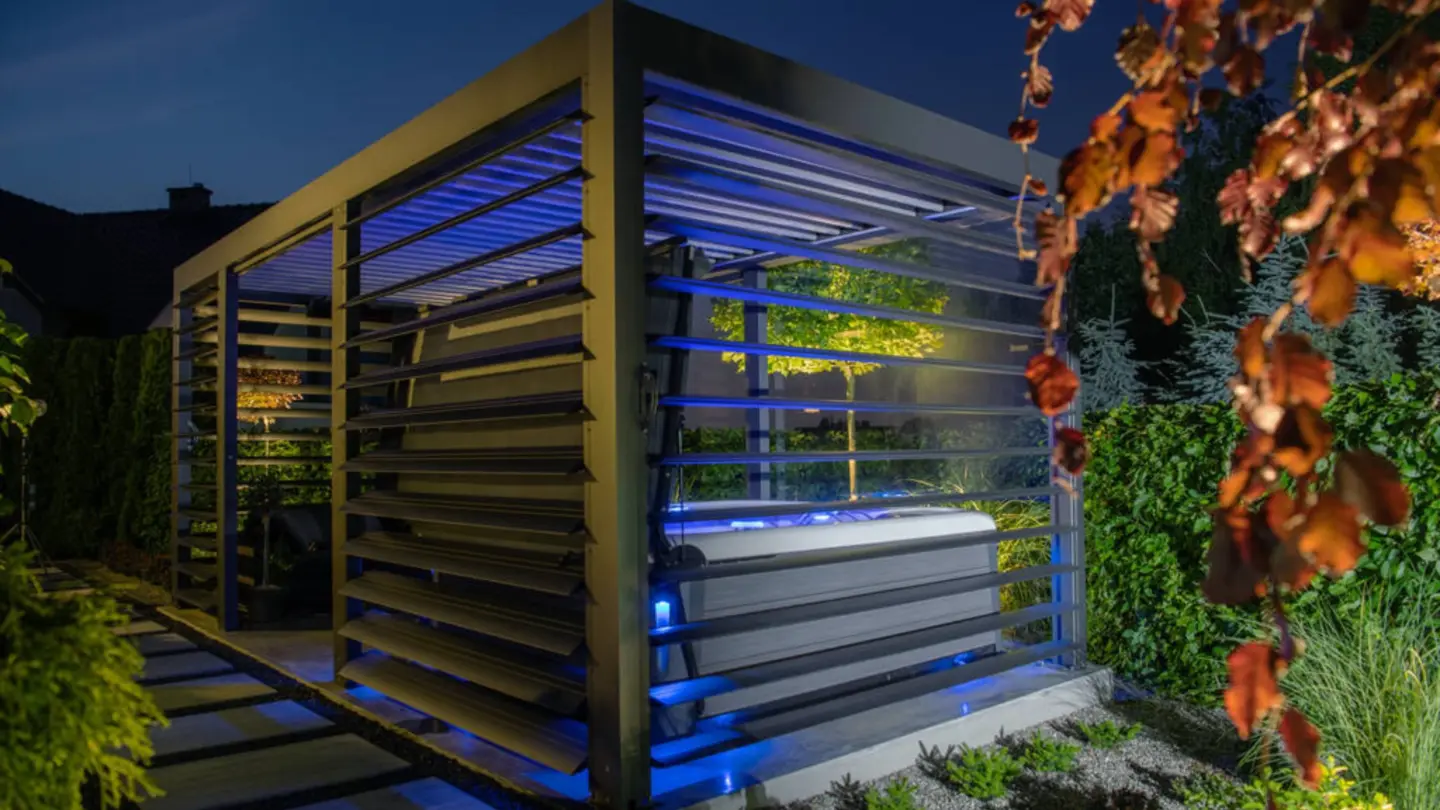
A hot tub installation without any privacy feels exposed. Most homeowners want some level of seclusion when they are using the tub. Privacy screens and privacy walls solve this problem while also adding style to the space.
Aluminum privacy screens block sightlines without cutting off airflow, and solid privacy walls create a more enclosed, intimate setting. Planning these features during the design phase ensures they integrate seamlessly with the rest of the deck.
8. DIY Electrical and Plumbing Work
Hot tubs require dedicated electrical circuits, and many models need 240-volt service. Improper wiring creates fire hazards, trips breakers, and can damage the hot tub itself. Plumbing mistakes lead to leaks that compromise the structure underneath.
Professional hot tub installation includes proper electrical and plumbing work done to code. This protects your home, your equipment, and your family.
Build It Right the First Time
A hot tub is a significant investment in your home and your quality of life. Avoiding these common mistakes protects that investment and keeps your outdoor space safe, functional, and beautiful for years to come. Majestic Outdoors designs and builds reinforced decks, spa platforms, and complete outdoor living spaces for homeowners across the Raleigh and Durham area. Call +1 919 482 5476 to schedule a design consultation and plan your project the right way.