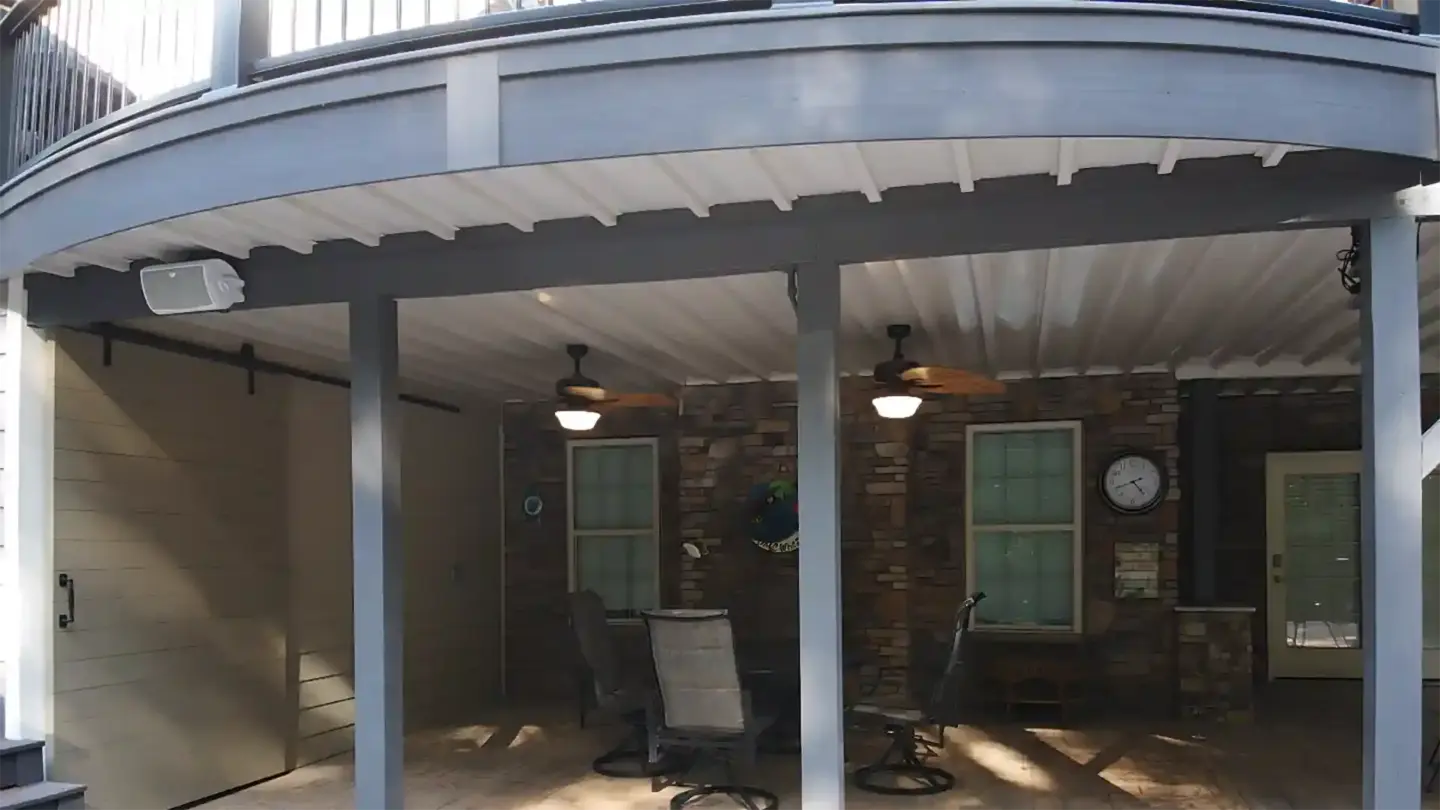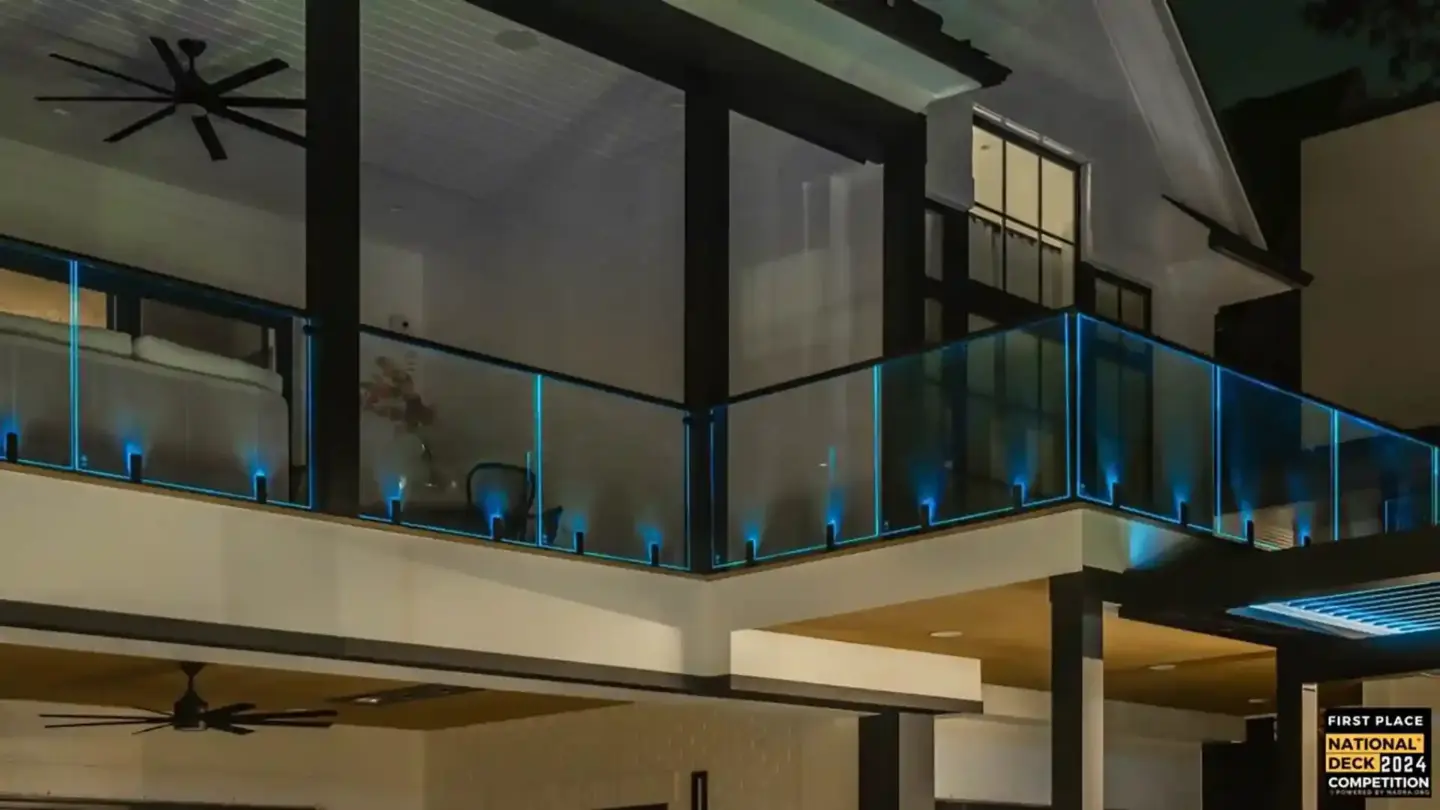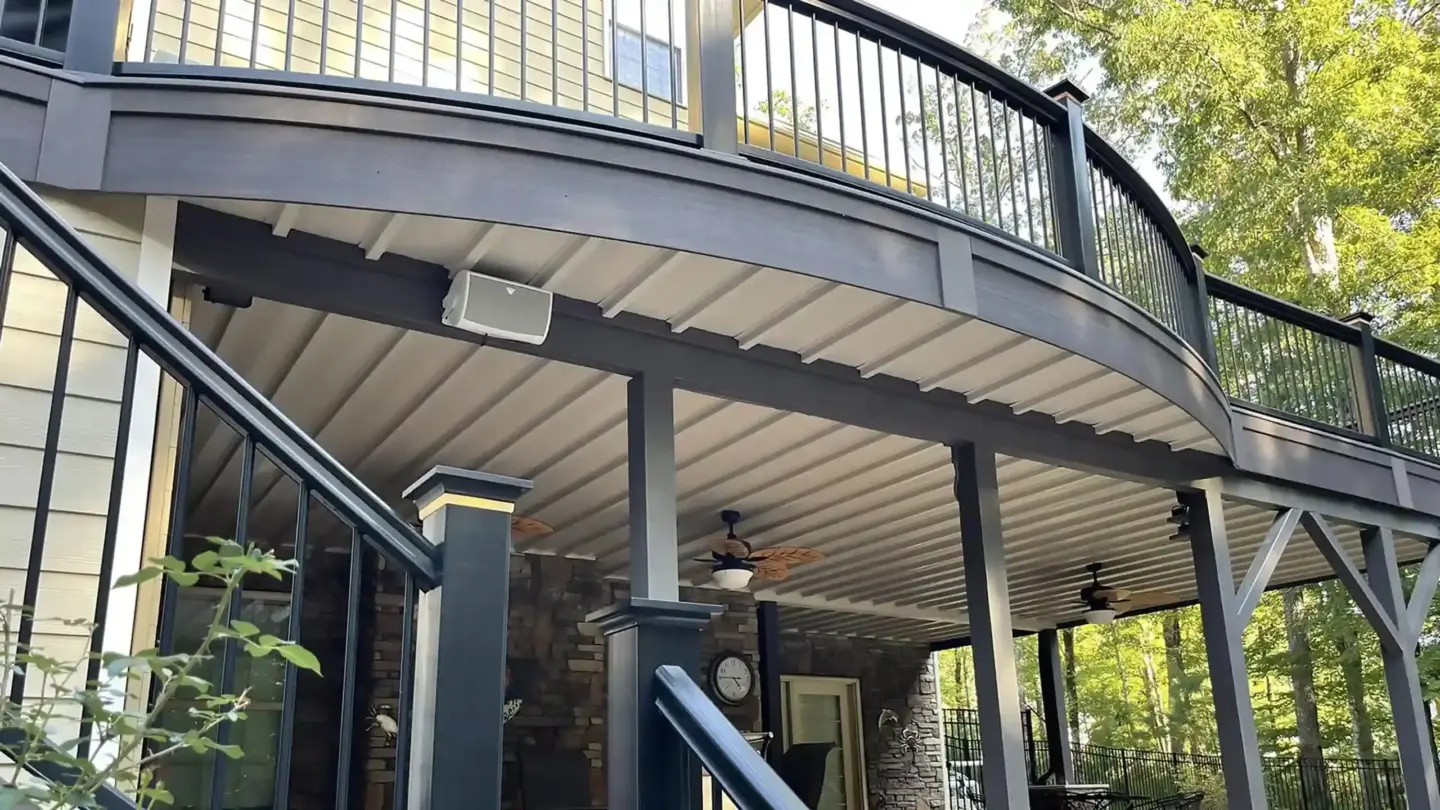

Every homeowner who starts planning a deck eventually lands on the same question: composite vs wood decking, which one actually makes more sense? Both materials build functional, attractive outdoor spaces. Both have real advantages. But they perform very differently over time, carry different cost profiles across a deck’s lifespan, and demand very different levels of ongoing attention from the homeowner. Understanding those differences before you commit to a material saves you from a decision you will regret a few years down the road.
Here is how composite vs wood decking breaks down across the factors that matter most for Durham homeowners.
Upfront Cost
Wood wins on initial price, and it is not particularly close. Pressure-treated lumber and softwood decking materials cost less per linear foot than composite boards, which makes wood the more accessible choice when working within a tight construction budget. If your priority is getting a deck built for the lowest possible entry cost, wood gets you there faster.
Composite decking requires a higher upfront investment. The manufacturing process, the materials involved, and the performance engineering built into products like TimberTech and AZEK all contribute to a price point that exceeds wood at the point of purchase. That higher initial cost is real, and it is worth acknowledging directly rather than glossing over it.
What changes the calculation is everything that comes after installation. The upfront price is only one part of the composite vs wood decking cost comparison, and for most homeowners, it is not the most important part.
Maintenance Costs Over Time
Wood decks are not low-maintenance structures. To keep a wood deck in good condition and extend its usable life, you need to clean it annually, apply stain or sealant every two to three years, inspect for rot and insect damage regularly, and replace boards as they deteriorate. In Durham’s climate, with its humid summers and wet winters, that maintenance schedule is not optional. Skip it and the deck degrades noticeably and quickly.
Those recurring costs add up. Staining and sealing a mid-size deck every few years runs into real money, particularly when you factor in either the labor cost of hiring someone or the time cost of doing it yourself. Board replacement as wood ages adds further expense on an unpredictable schedule.
Composite decking changes that equation dramatically. Periodic cleaning with soap and water is genuinely all the routine maintenance a quality composite deck requires. The materials do not absorb moisture the way wood does, which means they do not rot, warp, or splinter under North Carolina’s weather patterns. There are no staining or sealing cycles to budget for. When you run the composite vs wood decking comparison out over ten or fifteen years, the maintenance cost gap closes significantly and eventually reverses.
Durability and Lifespan
A well-maintained wood deck in the Durham area typically lasts somewhere between 10 and 15 years before the structure requires either major repair or full replacement. That lifespan assumes consistent maintenance throughout. Decks that go without regular sealing or experience drainage problems often fall short of that range.
Wood is vulnerable to the specific conditions Durham delivers. Moisture infiltration leads to rot. Humid summers create ideal conditions for mold and mildew growth. Temperature swings between seasons cause wood to expand and contract repeatedly, which accelerates cracking and warping over time. These are not hypothetical risks; they are the predictable deterioration pattern of natural wood in this climate.
Composite decking is engineered specifically to resist those failure modes. The products Majestic Outdoors works with, primarily TimberTech and AZEK, are built with protective polymer caps that prevent moisture from penetrating the board surface. They will not rot, splinter, or warp regardless of what the weather delivers. Manufacturer warranties on these products run from 25 to 50 years, which reflects genuine confidence in long-term performance rather than a marketing claim.
In the composite vs wood decking durability comparison, composite’s advantage in Durham’s climate is substantial. A deck that lasts 40 years with minimal maintenance versus one that requires replacement or major overhaul after 12 is a fundamentally different investment, even if wood costs less on day one.
Appearance and Design Options
Wood’s natural appearance has genuine appeal. The grain variation, the warm tones, and the organic character of real lumber create a look that resonates with homeowners who want their deck to feel connected to the natural landscape. That aesthetic is real and worth acknowledging in any honest composite vs wood decking comparison.
What wood lacks is consistency and design range. Natural lumber varies board to board, and its appearance changes significantly over time as it weathers, grays, or stains unevenly. Maintaining a specific look requires ongoing finishing work.
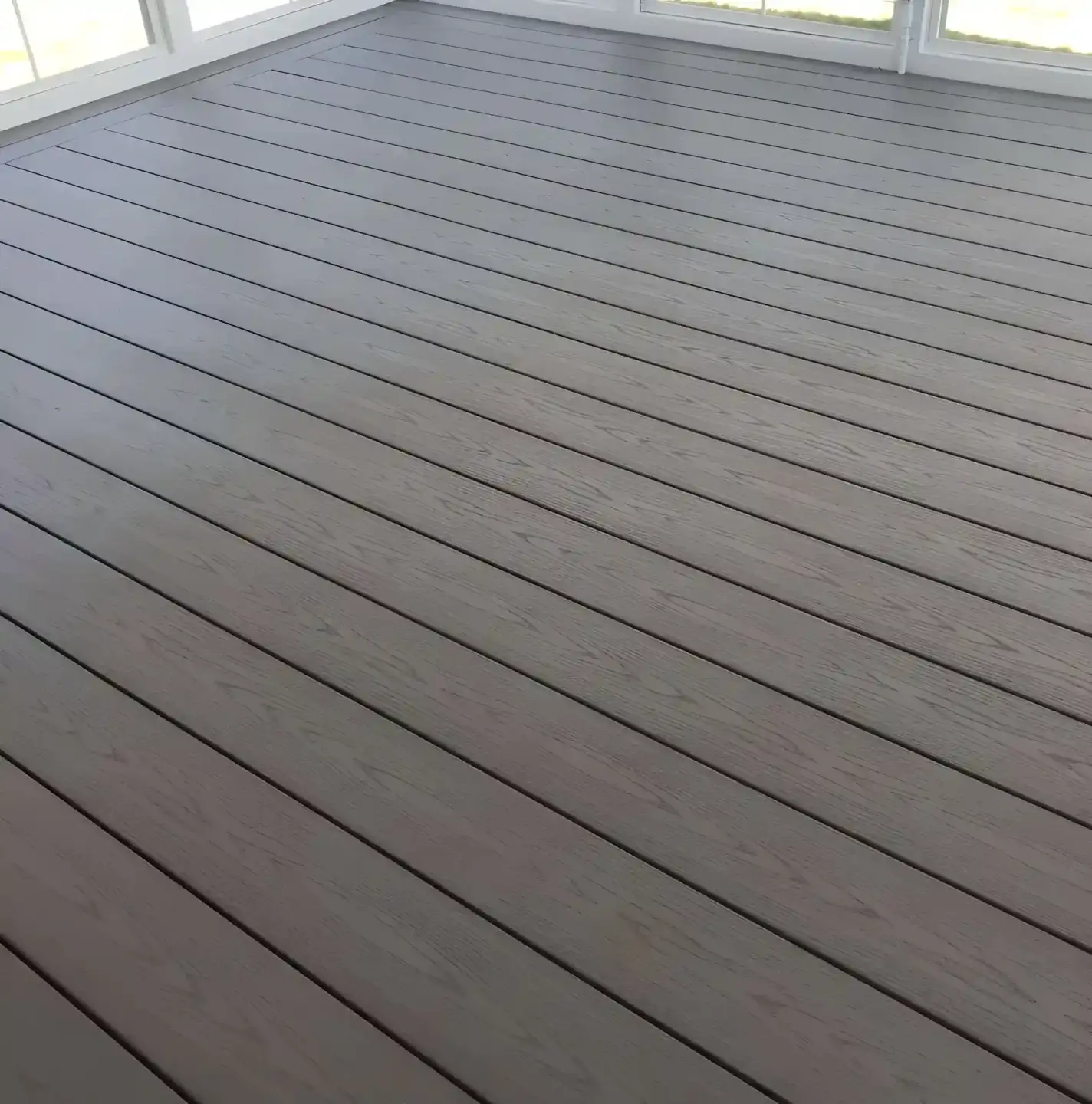
Modern composite decking has largely closed the appearance gap. TimberTech and AZEK products feature highly realistic wood grain textures and come in a much wider range of colors than natural lumber can offer. Homeowners are no longer limited to traditional brown tones. The boards look consistent across the deck surface and hold their appearance for years without the color shift that unfinished wood goes through.
For homeowners who want design flexibility alongside low maintenance, composite delivers both in a way that wood simply cannot match over the long term.
Environmental Considerations
Wood is a renewable resource, but the chemical treatments required to make it viable for outdoor use in humid climates like Durham’s carry environmental trade-offs. Pressure treatment involves preservatives that can leach into the surrounding soil over time, and the frequent maintenance cycle means ongoing chemical application throughout the deck’s life.
Composite decking from manufacturers like TimberTech and AZEK is produced using significant percentages of recycled materials, including reclaimed wood fibers and post-consumer plastics. That manufacturing approach reduces demand for virgin raw materials and keeps significant volumes of plastic out of landfills. The extended lifespan of composite also means fewer replacement cycles over time, which reduces the total resources consumed across the deck’s life.
For homeowners who factor environmental impact into purchasing decisions, composite holds a meaningful advantage in the composite vs wood decking comparison.
Which One Is Right for Your Home?
The composite vs wood decking decision ultimately depends on how you weigh upfront cost against long-term value. If minimizing initial construction cost is the overriding priority and you are comfortable committing to a regular maintenance schedule, wood is a workable choice. If you want a deck that performs well for decades, looks great throughout its life, and does not demand ongoing time and money to maintain, composite is the stronger investment for a Durham homeowner.
Majestic Outdoors works primarily with TimberTech and AZEK because these products consistently outperform alternatives in the conditions our clients actually live with. We have seen both materials in the field over many years, and we give every homeowner the straightforward guidance they need to make a confident decision.
Majestic Outdoors
Ready to talk through your project? Majestic Outdoors serves Durham, NC and the surrounding Raleigh area with expert deck design and construction built around materials that last.
Call us at (919) 482-5476 to schedule a consultation and get started.