
There’s nothing quite like stepping outside and preparing a full meal on your own deck while friends and family gather around. An outdoor kitchen turns an ordinary backyard into a destination, giving you the freedom to cook, serve, and entertain without running back and forth through the house. But for Raleigh homeowners thinking about adding one to an existing or new deck, the process involves more than just choosing a grill and picking a countertop color. From making sure your deck can handle the weight to selecting materials that survive North Carolina’s humidity, here’s what you need to know before getting started.
Can Your Deck Handle It?
This is the first and most important question to answer. An outdoor kitchen brings serious weight to your deck, including stone or granite countertops, built-in appliances, cabinetry, and potentially plumbing and gas lines. Most standard residential decks aren’t designed for that kind of load without some form of structural reinforcement.
Before any design work begins, a qualified contractor should evaluate your deck’s framing, footings, and joists. Upgrades like deeper footings, doubled joists, or additional support beams may be necessary to carry the extra weight safely. Starting with a solid structural foundation protects your investment and keeps your family safe for years to come.
Picking Appliances That Match How You Live
It’s tempting to load up on every appliance you’ve seen in a magazine, but the smartest approach is designing around how you actually cook and entertain. A high-quality built-in grill is the starting point for most setups, and for many Raleigh families, pairing it with generous counter space and built-in storage is more than enough for weekend cookouts and casual gatherings.
For homeowners who love going all out, adding a smoker, pizza oven, side burner, sink, or refrigerator creates a full outdoor kitchen experience that rivals anything indoors. The key is being honest about what you’ll actually use so you invest in features that earn their place rather than collecting dust after the novelty wears off.
Materials That Survive Raleigh’s Seasons
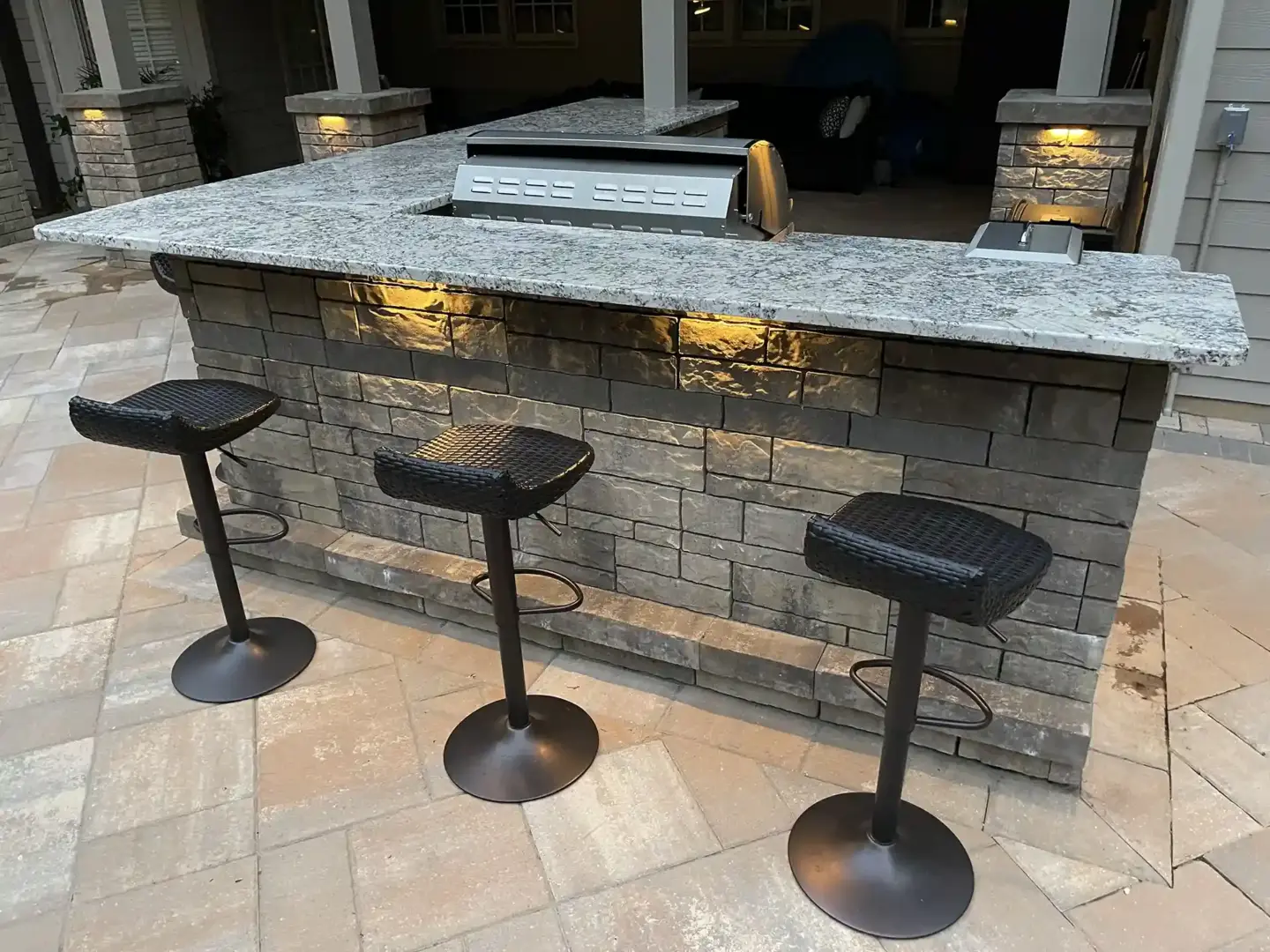
North Carolina’s climate is a mix of intense summer heat, high humidity, heavy rain, and occasional winter freezes, and every material in your build needs to handle all of it. Granite and quartzite countertops are favorites because they shrug off heat, moisture, and stains without fading or cracking. Concrete is another durable option that offers a more modern, customizable look.
Stainless steel remains the go-to for framing and cabinetry thanks to its resistance to rust, heat, and moisture. Stone and brick veneers on the exterior add a polished, permanent feel that ties the structure into your home’s architecture. Choosing quality materials from the start means your outdoor kitchen still looks and performs beautifully a decade from now.
Protecting the Deck Beneath the Kitchen
The decking surface under your cooking area takes more abuse than the rest of your deck. Grease, heat, moisture, and heavy foot traffic all concentrate in one zone, which means the material needs to be tough enough to handle it. Composite and PVC decking resist staining, heat, and moisture far better than wood, making them ideal choices for the area directly beneath your appliances.
Fire safety is equally important. Grills and open flames require proper clearance from the deck surface, railing, and any overhead structures. Heat shields and non-combustible barriers between appliances and decking protect both the surface and the framing underneath. A contractor experienced in building on decks knows exactly how to design these safeguards into the layout.
Navigating Permits and HOA Rules
Adding an outdoor kitchen to your deck almost always requires permits in Raleigh, especially when gas, plumbing, or electrical work is involved. Building codes cover structural load requirements, ventilation, setback distances, and fire safety standards that all need to be met before your project passes inspection.
If you live in a neighborhood with an HOA, there may be additional rules about the size, height, placement, and appearance of your build. A reliable contractor takes care of all permitting and makes sure the project meets every requirement so you don’t face fines, delays, or problems when it’s time to sell.
Getting the Most Out of Your Space Year-Round
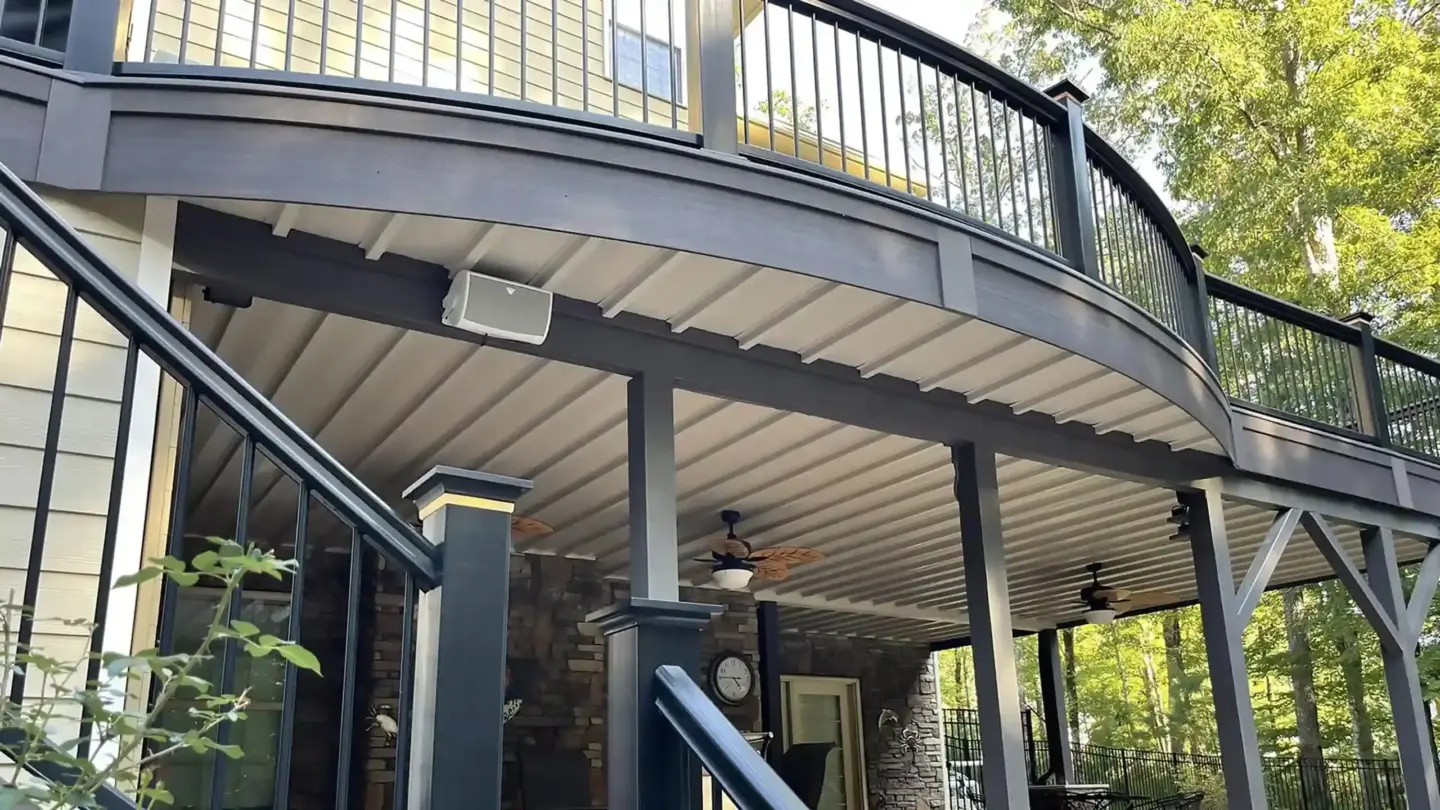
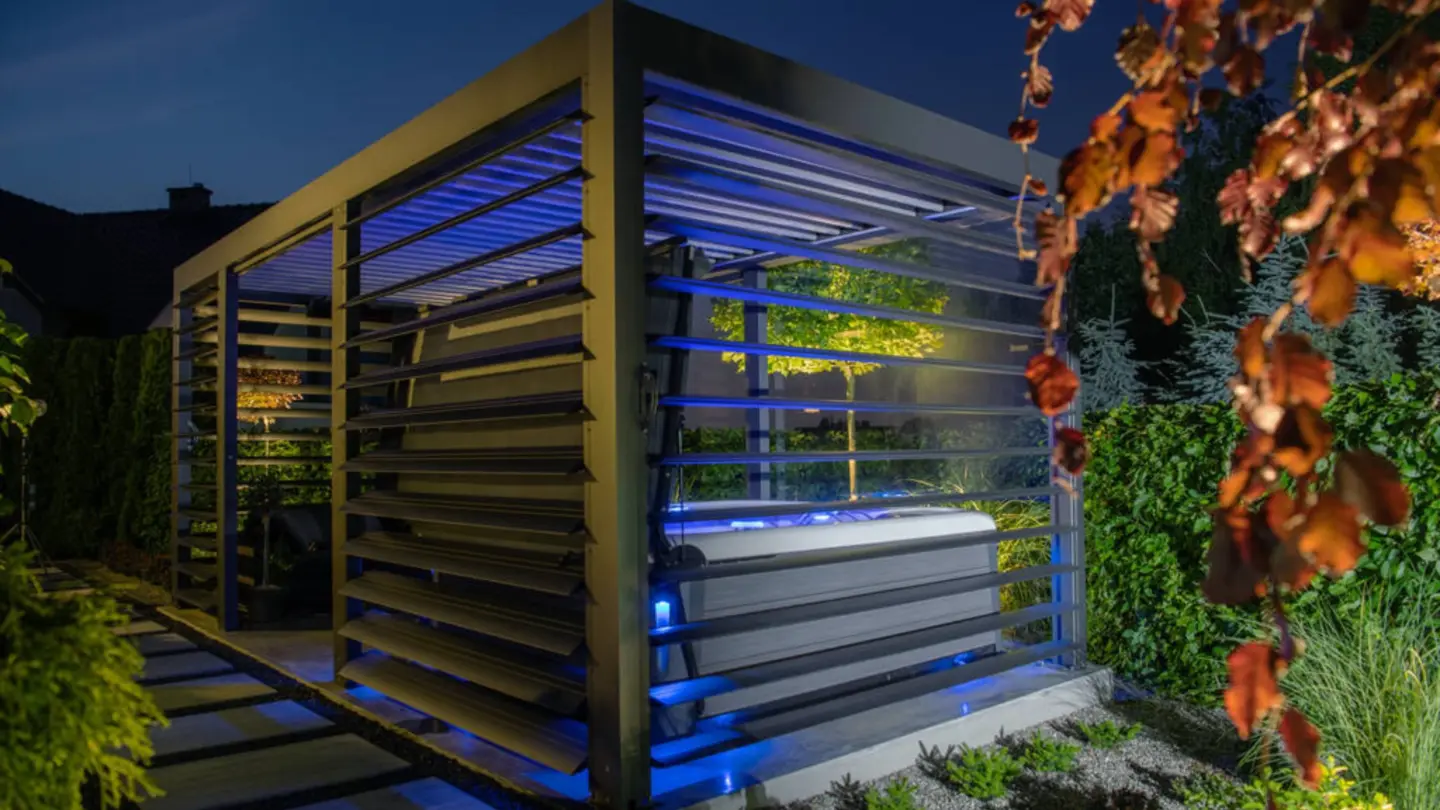
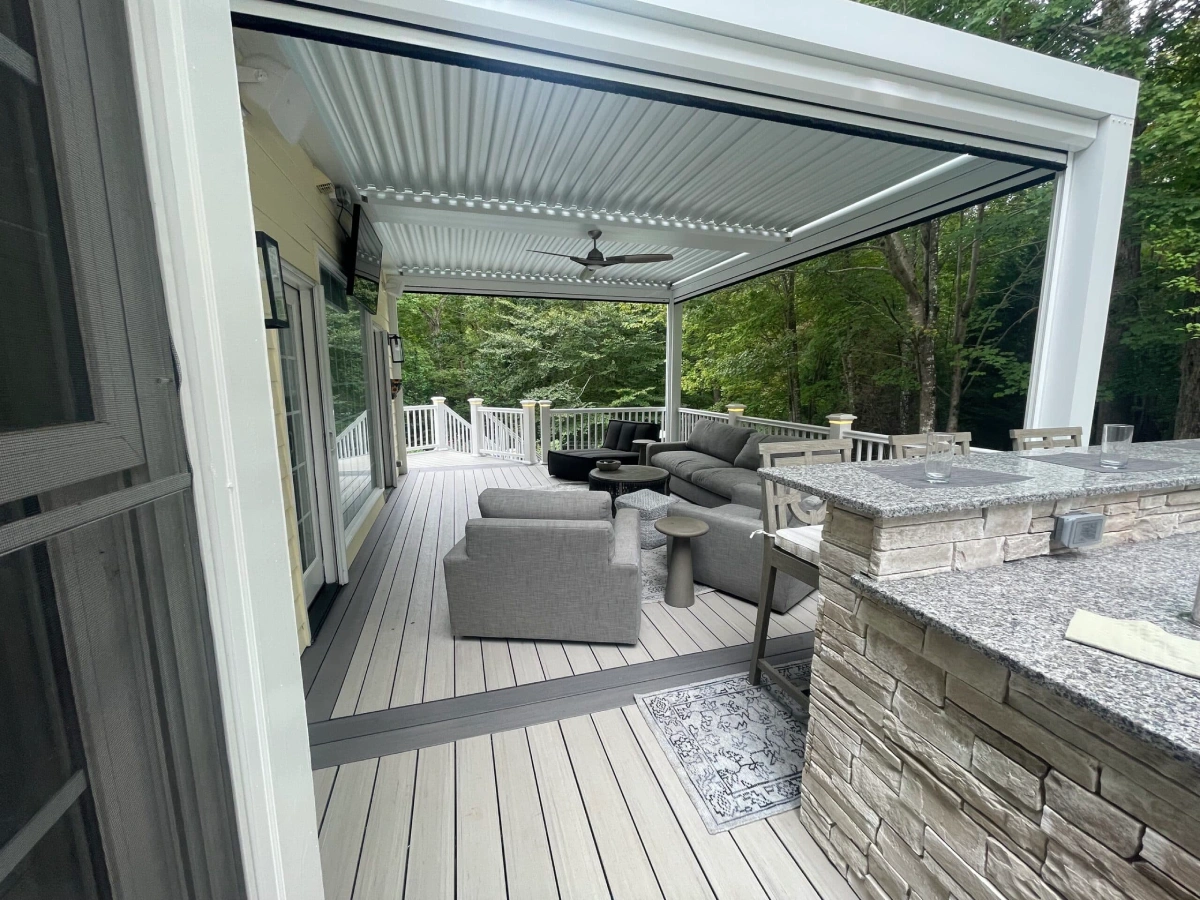
Raleigh’s mild climate means you can enjoy your outdoor kitchen for a good portion of the year, but smart design choices extend that season even further. A pergola or covered roof overhead keeps rain and direct sun off your cooking area, while ceiling fans improve airflow during the hottest months. Step lights along the deck make evening entertaining safer and more inviting.
For winter months, any plumbing or water features need cold-weather shutoffs to prevent freezing damage. Weatherproof covers for appliances and countertops protect everything during the off-season. A little preparation goes a long way toward making sure your space stays in top shape year after year.
Working With the Right Team
Building an outdoor kitchen on a deck isn’t a standard construction project. It requires a contractor who understands structural engineering, material compatibility, utility integration, and local codes all at once. The right team makes the difference between a space that looks impressive and one that’s actually built to last.
At Majestic Outdoors, we help Raleigh and Durham homeowners design and build outdoor kitchens that are as functional as they are beautiful. From initial deck evaluation through final installation, our team handles every detail with care and precision. Call us today at (919) 482-5476 for a free phone consultation or visit our showroom to start planning the backyard you’ve always wanted.